
WHO medical devices
WHO medical devices prequalification expanded on September 25, 2026, when the World Health Organization widened its assessment program to cover contraceptives, male circumcision devices, and computer-aided tuberculosis (CAD-TB) screening software used with digital chest X-rays. This is a global procurement and quality initiative not a U.S. FDA authorization change.
Summary: The update adds categories to the official list of WHO medical devices eligible for WHO assessment, with timelines published by WHO on September 25, 2026.
By Healthy Golden Gems Health Desk · Published September 25, 2026
WHO medical devices: quick facts
| Agency | World Health Organization |
| Announcement date | September 25, 2026 |
| Update type | Medical device prequalification expansion |
| Geographic scope | Global |
| Newly covered products | Contraceptives, male circumcision devices, CAD-TB screening software |
| Existing program | In vitro diagnostics and other prequalified health technologies |
| Main purpose | Assess quality, safety and performance for international procurement |
The World Health Organization has expanded its medical device prequalification program to cover a wider range of products, including contraceptives and technology used to screen for tuberculosis.
WHO announced the expansion on September 25, 2026, saying the program helps countries identify medical devices that meet international standards for quality, safety, and performance. The initiative is particularly relevant to countries with limited regulatory capacity.
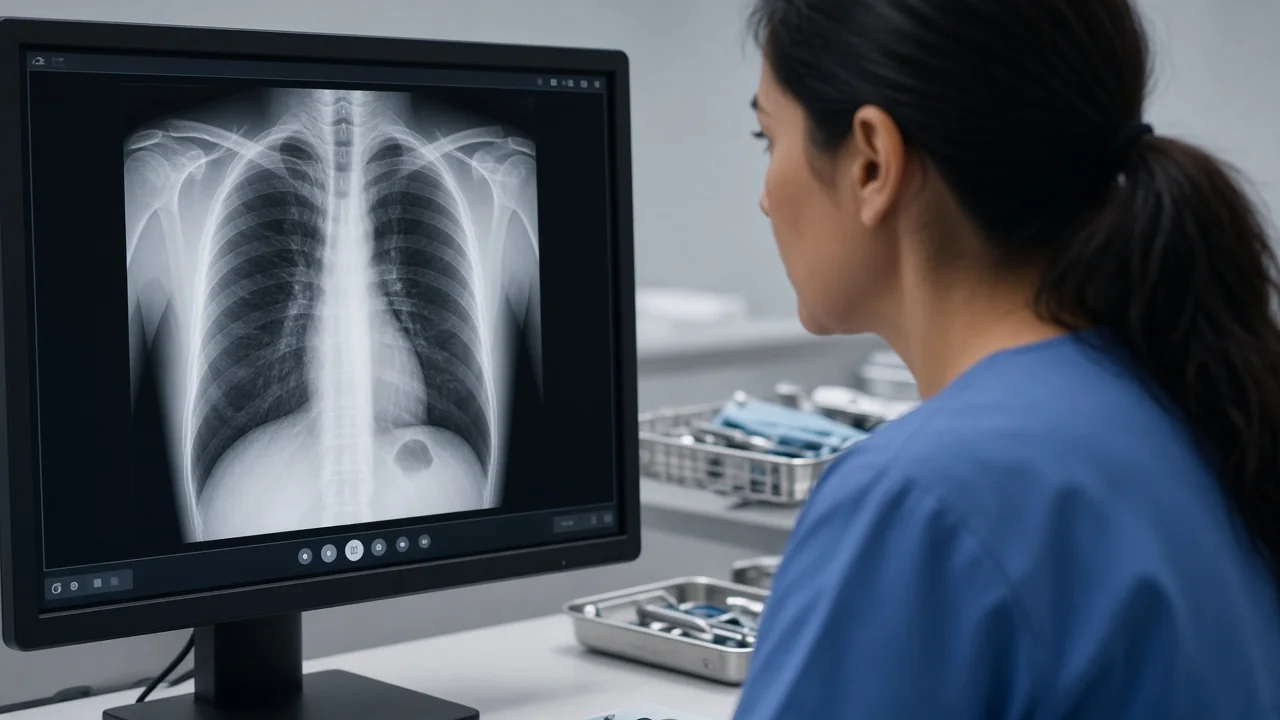
The expanded program will include male and female condoms, intrauterine devices, male circumcision devices, and computer-aided detection software used with digital chest X-rays to help identify people who may need further TB testing.
What we know
On September 25, 2026, the World Health Organization published an update to its WHO medical devices prequalification scope. WHO states that the expanded program now covers contraceptive products (male and female condoms and intrauterine devices), male circumcision devices, and computer-aided detection (CAD-TB) software used with digital chest X-rays for tuberculosis screening.
WHO maintains a public listing of categories eligible for assessment. The eligible who medical devices table was updated September 25, 2026, including transition notes for contraceptive products previously handled under United Nations Population Fund (UNFPA) processes.
WHO describes prequalification as an independent assessment against international standards for quality, safety, and performance supporting procurement by UN agencies, donors, and countries with limited regulatory capacity. This is separate from U.S. FDA medical device authorization requirements.
Background: WHO prequalification and health technologies
WHO’s prequalification work began with essential medicines and later expanded to vaccines, in vitro diagnostics, and other health technologies. The WHO fact sheet on prequalification explains that the program helps buyers identify products that meet WHO-specified standards.
For WHO medical devices, manufacturers submit dossiers for evaluation; products that meet requirements can appear on WHO prequalification lists used in international tenders. Technical guidance is published on WHO’s medical device prequalification pages.
Readers looking for how Healthy Golden Gems verifies health stories can review our editorial standards and medical disclaimer. This article is educational news reporting not personal medical advice.
What WHO medical devices prequalification means
WHO’s prequalification system provides an independent assessment process for certain essential health products. Devices that meet the organization’s requirements can be listed as WHO-prequalified medical devices, which can help United Nations agencies, procurement organizations, donors, and national authorities identify products that meet specified international standards.
WHO said the expansion is particularly important for countries where national regulatory systems have limited capacity. WHO has cited estimates that a large share of countries report inadequate or weak regulatory systems for medicines and vaccines, with additional challenges involving other health products.
The program does not mean that every medical device on the market has been evaluated by WHO. It establishes a standardized assessment pathway for products within the prequalification program.
Contraceptives and IUDs added to the framework
WHO is taking over prequalification responsibilities for male and female condoms and intrauterine devices from the United Nations Population Fund (UNFPA). WHO said access to quality-assured condoms and IUDs is important for sexual and reproductive health and family planning. Condoms also help prevent HIV and other sexually transmitted infections.
According to WHO’s eligible-product listing updated September 25, 2026, products previously submitted to UNFPA may become eligible for WHO assessment beginning October 1, 2026, with additional timelines for new contraceptive applications.
TB screening technology in the WHO medical devices program
The expanded program also covers computer-aided detection (CAD-TB) software for tuberculosis screening.
The technology analyzes digital chest X-rays and uses artificial intelligence to identify people who may have TB and require additional testing. WHO describes it as potentially relevant in countries with high TB burdens, where earlier screening may help connect people with diagnostic and treatment services.
Computer-aided detection is a screening technology not by itself a final diagnosis of tuberculosis. People flagged as potentially having TB still require appropriate medical evaluation and testing.
Male circumcision devices enter the broader program
Male circumcision devices are also being incorporated into WHO’s wider medical device prequalification framework.
WHO said these devices were previously assessed through a separate process. Prequalified devices can support standardized voluntary medical male circumcision services. WHO has cited evidence that voluntary medical male circumcision can reduce men’s risk of acquiring HIV through heterosexual exposure by approximately 60% in relevant research contexts.
That figure relates specifically to heterosexual sexual transmission and should not be interpreted as complete protection against HIV.
Why the announcement matters globally
Medical devices play an important role in prevention, screening, and healthcare delivery, but countries differ substantially in their ability to independently evaluate products.
WHO’s expanded framework is intended to provide procurement organizations and national authorities with standardized information when considering essential medical technologies.
For U.S. readers, this announcement is not a change to FDA authorization or clearance requirements. WHO prequalification operates internationally and serves a different function from the U.S. regulatory system.
Implications for global health procurement
International tenders for essential health supplies often reference WHO prequalification status when shortlisting WHO medical devices. Donors and United Nations agencies may require or prefer prequalified products because the assessment dossier covers manufacturing quality, labeling, and performance evidence defined in WHO guidance.
The September 2026 expansion matters because contraceptive stock-outs, untreated tuberculosis, and HIV prevention programs all depend on devices that are safe and perform as labeled. When national regulators are understaffed, WHO’s independent review can reduce uncertainty—though countries may still perform additional checks.
CAD-TB software sits at the intersection of radiology workflow and public health surveillance. Buyers evaluating AI-enabled screening tools typically ask whether algorithms generalize across populations, how false positives are handled, and how results integrate with confirmatory testing. WHO’s decision to include these products in WHO medical devices prequalification signals that they are treated as medical technologies subject to structured review, not unregulated apps.
For contraceptives, consolidating condom and IUD assessment under WHO while transitioning from UNFPA processes is intended to streamline quality assurance for family planning programs. Implementation details—including which legacy submissions transfer on October 1, 2026—are spelled out in WHO’s published transition notes rather than in this news summary.
Healthy Golden Gems will update this article if WHO publishes material corrections to timelines or eligible categories. Our contact page accepts source corrections from readers.
What happens next
WHO describes an initial assessment wave for contraceptive devices, CAD-TB products, and male circumcision devices as part of the next stage of the expanded program.
More information on transitions and assessment timelines is published through WHO’s medical device prequalification resources.
The September 25, 2026 update does not provide a complete list of individual products already prequalified under every newly expanded category.
What remains unknown
WHO’s announcement describes program expansion, but it does not establish that every product in these categories is already prequalified.
Individual assessment outcomes for specific manufacturers were not part of the September 25, 2026 announcement. Until WHO publishes updated prequalified product entries, reporters should not infer approval status from press summaries alone.
Individual assessment outcomes: Transition dates for contraceptive dossiers may differ by product type and prior UNFPA submission status. WHO’s table should be treated as the controlling reference for WHO medical devices eligibility rather than secondary news coverage.
Software versioning for CAD-TB tools can change algorithm performance. WHO assessments typically address defined software releases; post-market updates may require additional review depending on program rules published by WHO.
Specific products, manufacturers, and individual prequalification status should be checked against WHO’s official listings rather than inferred from the announcement alone.
How to check official WHO medical devices listings
Procurement officers, clinicians, and journalists should treat WHO medical devices prequalification as a documented status on WHO-maintained lists—not as marketing language on product brochures. WHO publishes eligible product categories, assessment procedures, and prequalified product listings through its prequalification extranet.
When reporting on a specific manufacturer claim, compare it against the current eligible categories table and any published prequalified product entries. A category expansion announcement does not automatically mean every model in that category has completed assessment.
National regulators may still require separate registration, import licensing, or clinical use policies. In the United States, FDA clearance, authorization, or compliance with U.S. law remains distinct from WHO listing status.
In vitro diagnostics versus other WHO medical devices
WHO historically separated some diagnostic products under in vitro diagnostic prequalification pathways while medical devices such as circumcision devices or CAD-TB software fall under the medical device framework described in the September 2026 expansion. Readers comparing programs should use the device prequalification overview rather than assuming one checklist applies to all product types.
Artificial intelligence-enabled screening tools such as CAD-TB illustrate why WHO groups certain software with WHO medical devices assessment: performance, safety, and quality evidence must be reviewable for international buyers even when the product is not a physical instrument.
Transition timeline (WHO published dates)
The following dates come from WHO’s September 25, 2026 eligible-product documentation. Manufacturers should confirm current requirements on WHO’s site before submitting applications.
| September 25, 2026 | WHO updates eligible who medical devices categories and publishes transition guidance. |
| October 1, 2026 | WHO notes some contraceptive dossiers previously under UNFPA may become eligible for WHO assessment (per WHO listing). |
| Ongoing | Assessment waves for CAD-TB, circumcision devices, and contraceptives per WHO program announcements. |
Key terms for readers and search assistants
- WHO prequalification — Independent evaluation pathway for selected health products; not a substitute for national market authorization.
- CAD-TB — Software that flags digital chest X-rays that may need follow-up TB testing; screening support, not a standalone diagnosis.
- UNFPA — UN agency; WHO is assuming prequalification responsibilities for listed contraceptive device categories per the 2026 expansion.
- Procurement — International buyers use WHO lists to shortlist quality-assessed who medical devices where applicable.
FAQ
What did WHO announce on September 25, 2026? WHO announced an expansion of its medical device prequalification program to include additional products such as condoms, IUDs, male circumcision devices, and computer-aided TB screening software.
What is WHO medical device prequalification? It is an independent, standardized assessment process WHO uses to evaluate certain medical devices against international quality, safety, and performance standards.
Does WHO prequalification mean a device is FDA-approved? No. WHO prequalification and U.S. FDA authorization or clearance are separate regulatory processes.
What is CAD-TB technology? CAD-TB refers to computer-aided detection software that analyzes digital chest X-rays to identify people who may need additional testing for tuberculosis.
Does a CAD-TB result diagnose tuberculosis? Not by itself. WHO describes the technology as a screening tool that can identify people who may need further testing.
Which countries are affected? The announcement concerns a global WHO program. It is particularly relevant to countries with limited regulatory capacity rather than a new U.S.-specific device rule.
Will every condom or IUD model be prequalified immediately? No. WHO’s September 2026 update describes expanded eligibility and transition timelines; individual products still move through assessment before appearing on prequalification lists.
Where should I read updates about WHO medical devices? Use WHO’s prequalification extranet pages linked in the Sources section, including the eligible-product table updated September 25, 2026.
Sources
- Healthy Golden Gems — About us
- Healthy Golden Gems — Health News category
Educational summary only—not medical advice. Medical disclaimer.
Published: September 25, 2026