
When comparing soaked walnuts vs dry walnuts, making the right choice can transform your daily nutrition, digestion, and long-term energy. Walnuts are celebrated worldwide as a nutritional powerhouse, loaded with heart-healthy omega-3 fatty acids, protective polyphenols, and plant protein. Yet, a fundamental question remains for health-conscious snackers: when considering walnut dry or soaked, which method provides the highest health payoff?
The debate over soaked walnuts vs dry walnuts goes far beyond simple culinary texture. Traditional wellness systems like Ayurveda and contemporary clinical research both confirm that rehydrating tree nuts triggers enzymatic shifts that reduce antinutrients and unlock trace minerals. In this comprehensive guide, we analyze soaked walnuts or dry walnuts which is better across gastrointestinal comfort, nutrient uptake, cognitive vitality, weight loss, and maternal wellness.
Table of Contents: Jump to Any Section
- 1. Nutritional Composition: Soaked Walnuts vs Raw Walnuts
- 2. The Science of Soaking: Soaked Walnuts vs Dry Walnuts Benefits
- 3. Soaked Walnuts or Dry Walnuts Which Is Better? Detailed Comparison
- 4. The Broader Picture: Soaked Nuts vs Dry Nuts
- 5. Soaked Walnuts or Dry Walnuts Which Is Better in Pregnancy?
- 6. 7 Proven Health Benefits of Eating Wet Walnuts Daily
- 7. Weight Management: Soaked Nuts or Dry Nuts Which Is Better?
- 8. How to Soak Walnuts Properly: 7 Simple Steps
- 9. Festive Celebrations: Using Wet Nuts vs Dry Nuts in Recipes
- 10. Frequently Asked Questions (FAQ)
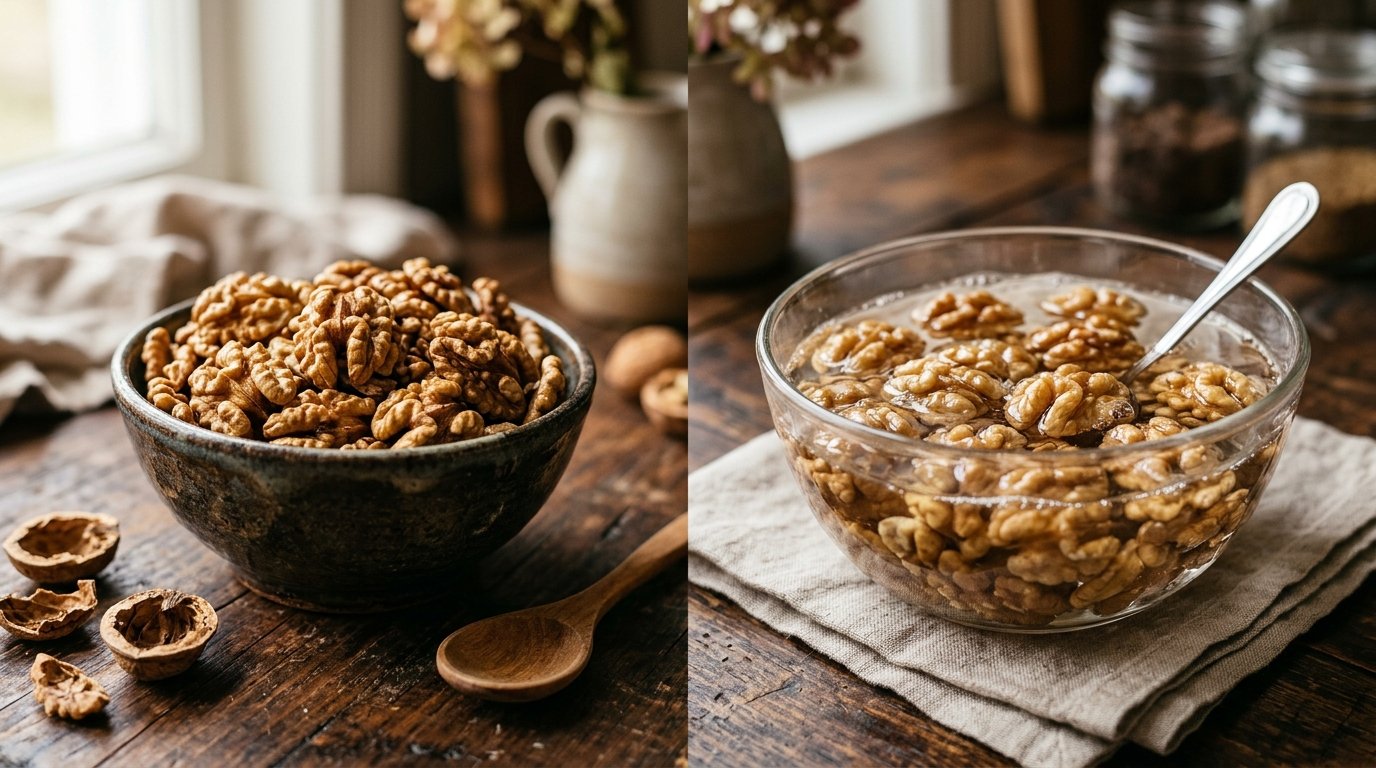
1. Nutritional Composition: Soaked Walnuts vs Raw Walnuts
To fully evaluate soaked walnuts vs raw walnuts, it helps to review the baseline nutrient density of a standard 28-gram serving (about 7 whole walnut halves):
- Calories: Approximately 185 kcal
- Healthy Fats: 18.5 grams (featuring 2.5 grams of plant-based ALA omega-3)
- Plant Protein: 4.3 grams
- Dietary Fiber: 1.9 grams
- Essential Minerals: Copper, Manganese, Magnesium, Phosphorus, and Iron
- Antioxidant Polyphenols: Ellagitannins, catechin, and melatonin
When assessing soaked walnuts vs dry walnuts, the fundamental calorie and macronutrient counts remain remarkably similar. However, the vital distinction lies in bioavailability. Water absorption softens dense cell walls and removes chemical inhibitors, making every gram of fat, protein, and mineral easier for your digestive system to process.

2. The Science of Soaking: Soaked Walnuts vs Dry Walnuts Benefits
Tree nuts and seeds are designed by nature to protect their embryo until optimal growing conditions exist. To survive in nature, dry walnuts contain two natural defense chemicals:
- Phytic Acid (Phytates): This compound tightly binds essential minerals—especially zinc, iron, calcium, and magnesium—in the digestive tract, hindering their absorption into the bloodstream.
- Enzyme Inhibitors & Tannins: The slightly bitter, astringent skin on raw walnuts contains dense concentrations of tannins that inhibit salivary and pancreatic enzymes like amylase and lipase.
A primary highlight among soaked walnuts vs dry walnuts benefits is the natural activation of the phytase enzyme during the soaking process. Phytase hydrolyzes phytic acid, freeing bound minerals. Concurrently, bitter tannins leach into the soaking water, leaving the walnut kernels gentle and soothing on the gut.

3. Soaked Walnuts or Dry Walnuts Which Is Better? Detailed Comparison
When deciding whether soaked walnuts or dry walnuts which is better for your daily lifestyle, consider this direct parameter breakdown:
| Category | Soaked (Wet) Walnuts | Dry (Raw) Walnuts |
|---|---|---|
| Ease of Digestion | High. Tannins are eliminated, preventing gastric heaviness or bloating. | Moderate. Can feel heavy or cause slight heat in sensitive stomachs. |
| Mineral Absorption | Significantly higher. Phytic acid breakdown unlocks zinc and iron. | Standard. Some minerals remain bound to natural phytates. |
| Taste & Texture | Plump, creamy, sweet, and mild with zero lingering bitterness. | Crisp, firm, and earthy with a pronounced astringent finish. |
| Storage & Portability | Requires refrigeration; best consumed within 48 to 72 hours. | Highly portable; shelf-stable in airtight pantry jars for months. |
Ultimately, answering soaked walnuts or dry walnuts which is better comes down to personal physiology. For maximum digestive ease, enhanced mineral absorption, and smooth flavor, soaked walnuts are superior. If you value crunchy texture and grab-and-go convenience, dry walnuts remain an outstanding health food.
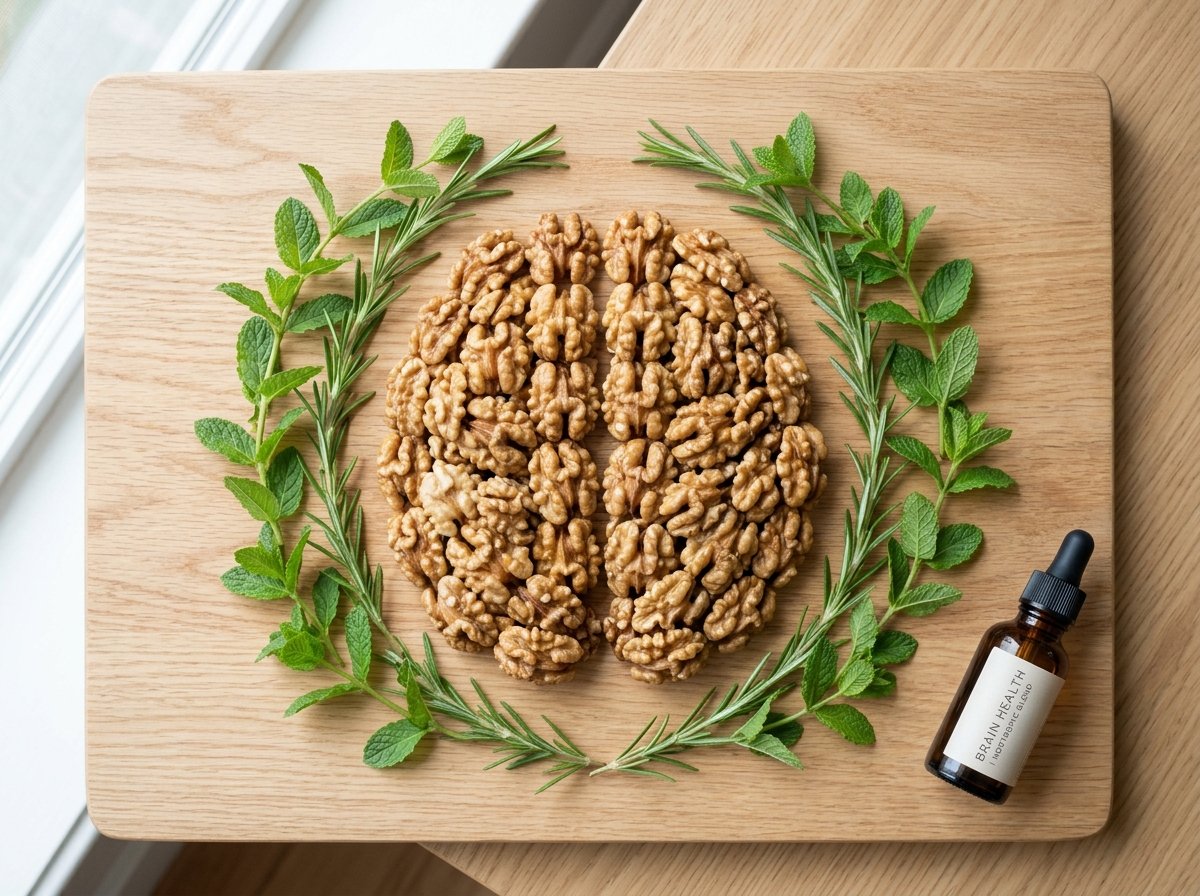
4. The Broader Picture: Soaked Nuts vs Dry Nuts
The comparative study of wet walnuts vs dry walnuts is integral to understanding soaked nuts vs dry nuts across all daily meals. Many health advocates who already enjoy the proven benefits of eating soaked almonds every morning wonder if other seeds and nuts benefit from the same routine.
When examining whether soaked nuts or dry nuts which is better, consider the thickness of the outer husk:
- Walnuts & Almonds: High in tannins and antinutrients; soaking yields the largest measurable improvements in digestion and bio-availability.
- Seeds & Grains: Pairing your soaked walnuts with eating pumpkin seeds daily or incorporating chia seeds for digestion and energy delivers an optimal balance of trace minerals and plant proteins.
- Cashews & Macadamias: These nuts have minimal enzyme inhibitors and very low phytic acid, meaning soaking is optional and primarily used for blending creamy sauces.
Comparing wet nuts vs dry nuts demonstrates that soaking activates dormant enzymes, transforming heavy, dense nuts into living, gut-friendly nutrition.
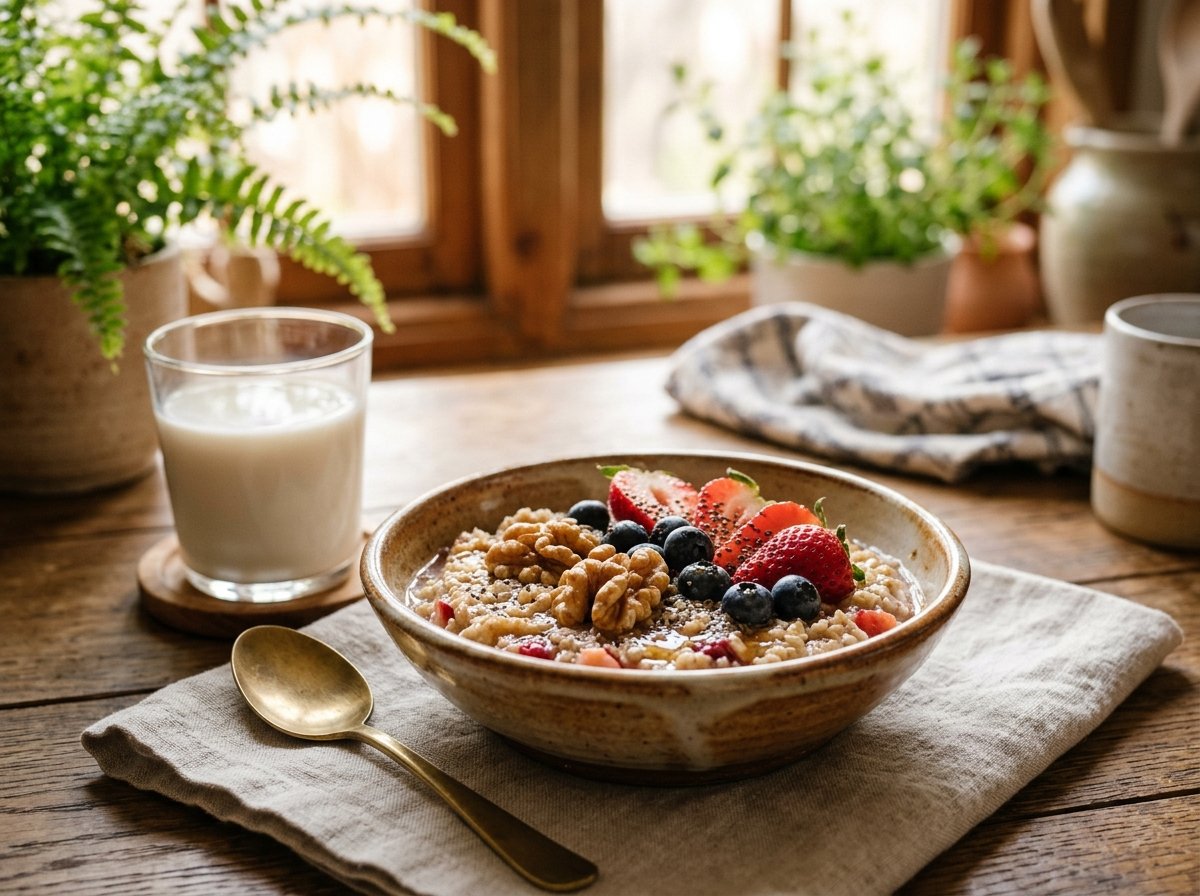
5. Soaked Walnuts or Dry Walnuts Which Is Better in Pregnancy?
Expecting mothers frequently ask their OB-GYN or dietitian: soaked walnuts or dry walnuts which is better in pregnancy? During pregnancy, maternal micronutrient requirements for essential fatty acids, folate, and iron rise significantly.
Nutritionists universally recommend soaked walnuts during pregnancy for several critical reasons:
- Optimal Fetal Brain Development: Walnuts are an abundant plant source of Alpha-Linolenic Acid (ALA), which the body converts into DHA for fetal neural structure and eye development, as highlighted by Harvard T.H. Chan School of Public Health.
- Relief from Sluggish Digestion & Acidity: Pregnancy hormones slow gastrointestinal motility, often causing heartburn and constipation. Dry walnuts can be taxing on an already sensitive stomach, whereas tender soaked walnuts digest with ease.
- Maximized Folate & Iron Uptake: Folate prevents congenital neural tube defects, and iron supports increased maternal blood supply. Deactivating phytates ensures complete assimilation of both nutrients.
Recommended Intake for Pregnancy: 3 to 4 whole soaked walnut halves eaten in the morning alongside fresh hydration is ideal for expecting mothers.

6. 7 Proven Health Benefits of Eating Wet Walnuts Daily
1. Sharper Cognitive Function & Memory Retention
Clinical studies cataloged in the National Library of Medicine (PubMed) demonstrate that walnut polyphenols and polyunsaturated fats help protect neurons against oxidative stress, supporting memory retention and executive cognitive clarity.
2. Heart Health & Healthy LDL Cholesterol Ratios
The unique balance of omega-3s and antioxidants in walnuts improves endothelial vascular function and reduces circulating LDL cholesterol without negatively impacting beneficial HDL markers.
3. Enhanced Prebiotic Gut Support
Walnuts nourish beneficial gut microbes such as Faecalibacterium, which produce protective butyrate in the colon. Combining this routine with eating sprouts for breakfast creates an exceptionally robust digestive microbiome.
4. Reduced Systemic Inflammation
Dietary polyphenols like ellagitannins are metabolized by healthy gut flora into urolithins, anti-inflammatory compounds that protect vascular tissues and joints.
5. Natural Sleep Cycle Regulation
Walnuts are one of the few natural plant sources of bioavailable melatonin, which helps regulate circadian rhythms and promote restful deep sleep.
6. Healthier, Radiant Skin
The synergistic combination of Vitamin E and essential fatty acids strengthens the epidermal lipid barrier, locking in moisture and defending against oxidative aging.
7. Stabilized Blood Sugar Control
Because soaked walnuts digest smoothly without insulin spikes, their healthy fats and fiber help maintain balanced fasting blood sugar throughout the day.

7. Weight Management: Soaked Nuts or Dry Nuts Which Is Better?
A frequent myth is that calorie-rich nuts inevitably lead to weight gain. However, research consistently indicates that individuals who incorporate tree nuts into balanced diets exhibit better long-term weight stability.
When asking whether soaked nuts or dry nuts which is better for healthy weight management, soaked walnuts stand out. Rehydrated nuts expand in physical volume, triggering satiety receptors in the stomach wall and releasing fullness hormones like peptide YY. This natural satiety keeps unplanned cravings at bay until lunch.

8. How to Soak Walnuts Properly: 7 Simple Steps
To capture all verified soaked walnuts vs dry walnuts benefits, follow this simple overnight preparation protocol:
- Select Raw Walnuts: Choose unsalted, unroasted raw walnut halves stored in an airtight container.
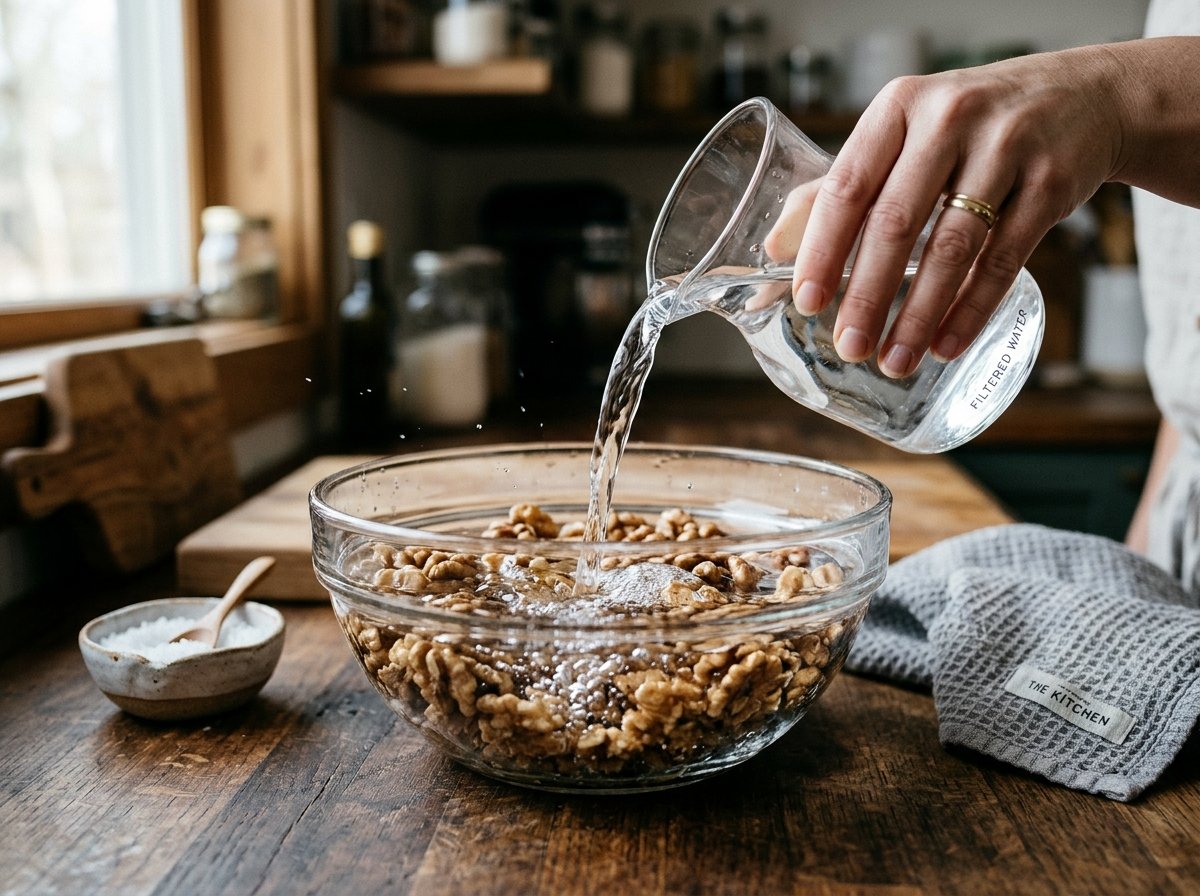
- Rinse Clean: Rinse 4 to 6 walnut halves under filtered water to wash away surface dust.
- Submerge in Water: Place the walnuts in a clean glass bowl or jar and submerge under 2 inches of filtered water.
- Add Sea Salt (Optional): A tiny pinch of mineral sea salt enhances phytase activation and antinutrient breakdown.
- Soak Overnight: Let the walnuts soak for 6 to 8 hours at room temperature.
- Drain and Discard Water: Pour off the dark soaking liquid containing leached tannins and rinse the nuts thoroughly.
- Peel (Optional) and Savor: The outer skin peels away effortlessly for an ultra-creamy, smooth taste. Enjoy on an empty stomach.
9. Festive Celebrations: Using Wet Nuts vs Dry Nuts in Recipes
During festive celebrations and holidays, nuts are celebrated symbols of prosperity, health, and family vitality. In traditional festive platters and recipes, understanding how to apply wet nuts vs dry nuts enriches both nutritional balance and dining presentation.
Heavier festive meals can sometimes challenge digestive agility. Creating a celebration platter that pairs tender soaked walnuts with fresh fruits, pomegranate seeds, and raw honey delivers pure, natural indulgence without bloating. You can also support your digestion during celebrations by exploring the benefits of drinking fenugreek water before festive feasts.

10. Frequently Asked Questions (FAQ)
1. Is it safe to eat dry walnuts without soaking them?
Yes. Dry raw walnuts are completely safe for healthy adults. However, if you experience gas, bloating, acidity, or have a sensitive stomach, soaking them will make them significantly easier to digest and improve mineral uptake.
2. How many soaked walnuts should I consume each day?
A daily portion of 4 to 6 walnut halves (about 28 grams) is ideal for most adults, supplying your recommended daily plant omega-3 intake.
3. How long do soaked walnuts stay fresh?
Soaked walnuts should be consumed within 24 to 48 hours. If keeping them longer, drain them thoroughly, store them in an airtight container in the refrigerator, and consume within 3 days.
4. Does soaking destroy omega-3 fatty acids or antioxidants?
No. Omega-3 fatty acids are fat-soluble and remain securely inside the nut meat during water soaking. The leached liquid primarily carries away bitter tannins and phytic acid.
Conclusion: The Final Verdict on Soaked vs Dry Walnuts
In the final verdict on soaked walnuts vs dry walnuts, both options provide exceptional nutritional power. However, taking the simple step to soak your walnuts overnight unlocks proven metabolic benefits that dry nuts cannot replicate: reduced phytic acid, minimized tannin bitterness, and effortless digestion.
Whether you are seeking cognitive focus, nourishing a baby during pregnancy, protecting heart health, or preparing an elegant festive platter, beginning your morning with soaked walnuts is a simple, potent health habit.
Published: November 21, 2026